15 Gifts For The Small Espresso Machine Lover In Your Life


Create Third Wave Specialty Coffee at Home With a Small Espresso Machine
Create specialty coffees of the third wave at home in less than a minute, from bean to espresso. 19 bars of pressure extracts the best flavor, and the water reaches optimal temperature within just 30 seconds.
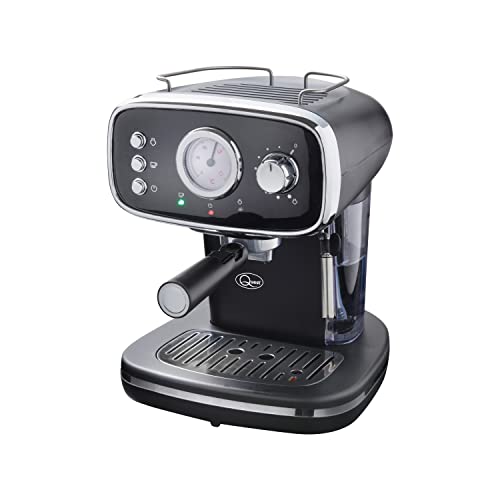
The model looks stunning and has a slim silhouette which is easy to place on your kitchen counter. It's also energy efficient and affordable, turning it off after 9 minutes.
1. Simple to use
There are a myriad of options available when you're looking to let machines do the work for your. Some of the most well-known are capsule machines that allow you to put in a pod and press an icon, or semiautomatics which require you to load the portafilter by hand, but utilize an electric pump for consistent flow and pressure. These machines are fitted with a milk frother that can make cappuccinos and latte. Fully automatic machines may be more expensive, but they do everything for you. They grind and brew coffee, and heat and froth milk.
The smaller sizes of espresso makers generally have lower water capacity than larger ones, so you'll need to refill them more often. But, they're typically easier to access and may have a lower profile so they can be tucked away under cabinets.
This compact model from Mody is one of the most affordable on our list, however it has enough power to make great espresso. It's got 15 bars of pressure, which is more than enough to make a decent shot. It's also small enough to fit into most kitchens, and slim enough that it can be tucked away under cabinets. Its small size doesn't hinder its use the cup filter and drip tray are easy to remove and wash, and it has different options for different types of drinks.
2. Easy to clean
A small espresso machine is an ideal addition to any office or home especially for those who love their coffee with only a touch of milk. However, it is important to keep in mind that these devices aren't easy to clean. This is due to the fact that espresso machines use lots of water and they require regular cleaning to ensure they're working properly and producing the most delicious coffee you can imagine.
There are a number of methods to clean an espresso machine, but one of the most effective methods is to use a specific cleaning solution that is designed specifically for espresso machines. This solution can be made using citric, vinegar, or commercial descaling products. Descale your espresso machine at least every two months.
Rinse the steam wand and group heads after each use. This prevents the buildup of coffee oils and other traces that could alter the flavor of your coffee. To do this, first switch off the water supply to the espresso machine. You will also need to remove the portafilters of the group heads. Clean the group heads with the help of a coffee tool or brush. Then, spray the inside of the group head and dispersion screens with a cleaning solution. Then, wash the gaskets on the group head as well as the group head with cool water.
3. Easy to maintain
Making espresso that is cafe-quality at home used to require a lot of effort and expertise but the most recent models are nearly foolproof. They are also less expensive than ever before and have a a much smaller footprint on the counter.
The top small espresso machines are easy to maintain and they can aid in keeping your kitchen neat and tidy. A clean coffee machine makes for better tasting coffee that lasts longer. It's important to keep up with maintenance tasks, like cleaning and rinsing the drip tray and group head, and descaling the water tank.
Traditional coffee makers should be rinsed with hot soapy water after each use and given a thorough clean at least every six months. Espresso machines require more frequent cleaning and at least once every week. This is because espresso machine components are more likely to collect dirt and dirt.
One of the most common causes of espresso machine failure is blocked ports and filters. These blockages could result from inadequate tamping, grinding, or not removing all the solubles from the coffee. The blockages could also be caused by a absence of regular cleaning.
The best way to prevent this is to keep a routine. Rinse the baskets, portafilters and gaskets often and scrub the group heads and steam wands thoroughly to remove stuck on coffee grounds. Detergent can be purchased to accomplish this, however some people prefer a solution of distilled vinegar and water instead.
4. Easy to store
A quick cup of espresso can provide the energy you need to continue your journey. It's a standard in European and American coffee culture, and it's often used in offices to help employees get through late-night shifts.
In contrast to larger espresso machines smaller ones are typically lighter and take up little counter space. They can be taken for a trip or to work and are a great choice for people who travel frequently.
This type of espresso machine is represented by the Ascaso Baby T Plus. It has all the features you would expect from a premium machine, including PID control and volumetric programming, but it is designed for smaller homes. It also helps to save energy as it heats or cools down more quickly than multiboiler devices.
Breville Bambino Plus is another excellent option. Coffeee UK can make cappucino, espresso and coffee. It utilizes a thermocoil in heating water to the right temperature for coffee making, which is much faster than older machines which used thermostatic control systems that used electromechanical technology. It also cuts down on boiler-to-shot temperature recovery times, which can greatly improve the taste and consistency. It's also extremely easy to use and requires little maintenance. It's an ideal espresso machine for those who wish to stay clear of the cost and hassle of purchasing espresso at bars or coffee shops every morning.